

Category: International News | Environment | Public Safety
Date: November 27, 2026
Location: Iowa, United States
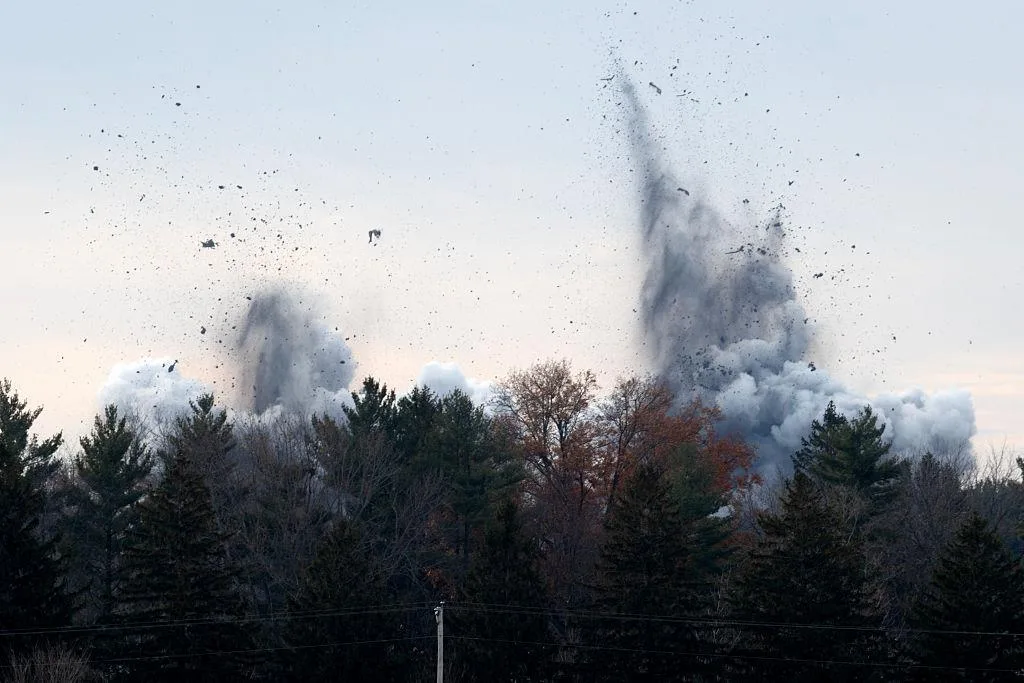
The United States Army has carried out a controlled detonation of nearly five tons of unstable explosives at the Iowa Army Ammunition Plant in Middletown, despite concerns from residents and environmental advocacy groups.
The operation, conducted on Wednesday, November 25, 2026, was intended to eliminate a deteriorating stockpile of lead azide, a hazardous explosive compound historically used in military ammunition.
Military authorities explained that the material had become increasingly unstable, making its transportation and conventional disposal dangerous.
Environmental Groups Raise Concerns
The operation faced opposition from environmental organisations that warned of possible contamination of surrounding communities, agricultural lands and water sources.
Concerns centred on the potential release of toxic lead particles into the environment, posing health risks to residents, livestock and wildlife.
Legal challenges resulted in delays to the planned detonation before a federal appeals court cleared the way for the operation.
Some residents temporarily evacuated their homes, while others were advised to remain indoors as a precaution.
Army Declares Operation Successful
Major General Eric Shirley of the US Army Sustainment Command said initial assessments indicated that the operation had successfully eliminated the explosive stockpile without damaging surrounding infrastructure.
Military officials maintained that a controlled detonation was safer than leaving the deteriorating material exposed to the risk of an accidental explosion.
Preliminary Tests Detect No Airborne Lead
On Thursday, November 26, the US Environmental Protection Agency reported that its real-time monitoring equipment had detected no airborne lead.
Environmental assessments involving air, soil and water samples are continuing to determine whether the operation caused any contamination.
Although the preliminary findings have provided some reassurance, concerns remain among residents about potential long-term environmental and public health consequences.